
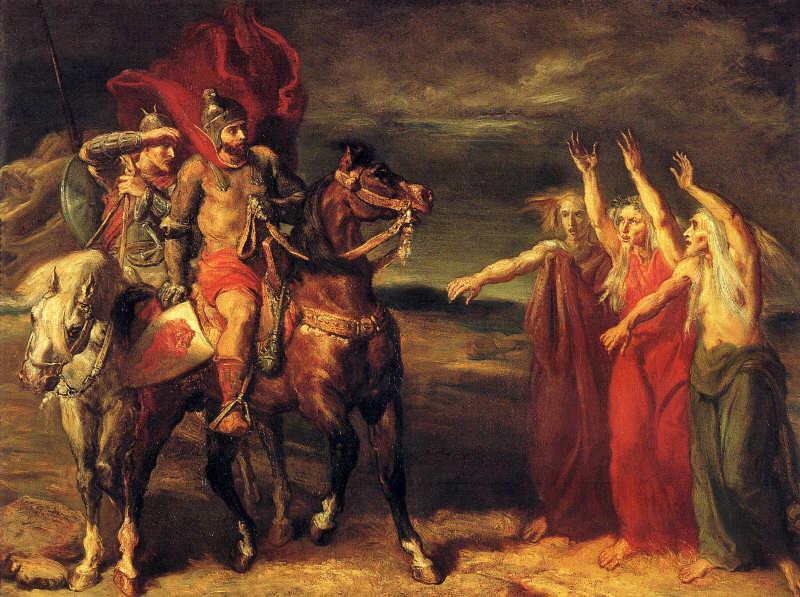
Tragedy is a genre that allows us to explore the depths of human nature and understand how personal weaknesses and moral dilemmas shape a person’s fate. Studying tragedies is important not only for literature but also for understanding social, psychological, and cultural processes. A work like Macbeth Macbeth vividly demonstrates how ambition and the pursuit of power can destroy both individual character and societal stability.
Ambition as the Engine of Tragedy
In Macbeth, the central theme is the destructive power of ambition. The protagonist, Macbeth, is initially portrayed as a brave and loyal subject of the king. However, the encounter with the three witches awakens in him a desire for power. This desire gradually turns into an obsession that dictates his actions and ultimately determines his fate.
Ambition here is presented not merely as a personal goal but as a force capable of distorting moral principles. Macbeth begins to violate norms, kills trusted individuals, and destroys relationships with loved ones. The murder of King Duncan exemplifies this: it is committed not for justice or protection but purely for personal gain. This act sets off a chain of subsequent tragic events, showing the cause-and-effect relationship between ambition and moral decay.
In the cultural context of early 17th-century England, when the play was written, the theme of ambition and power was especially relevant. Political instability, struggles for the throne, and court intrigues made questions of moral choice and personal responsibility highly significant for audiences. Tragedy thus acts as a mirror of societal concerns while simultaneously revealing inner human conflicts.
Power and Its Destructive Influence
 The theme of power in the tragedy is closely tied to ambition. Power itself is neutral — it can be used for good or for harm. In Macbeth’s case, it becomes a source of fear, suspicion, and paranoia. After murdering Duncan, Macbeth gradually transforms into a tyrant, losing his ability to think rationally.
His attempt to maintain power illustrates the psychological consequences of moral crime. Tragedy demonstrates that power without ethical principles inevitably leads to self-destruction. For example, the pursuit of Banquo and his son Fleance is an attempt to eliminate a threat to his reign. Here, we see a clear cause-and-effect chain: crime breeds fear, fear breeds more crime, creating a spiral of violence.
Comparing this to modern examples of political and social systems shows the universality of the theme of power. Stories of leaders who, driven by personal ambition, destroy public trust demonstrate the relevance of tragedy in analyzing contemporary ethics and politics.
Morality and Personal Responsibility
Macbeth teaches readers to recognize the consequences of their actions. The central moral lesson concerns the concept of personal responsibility: every choice has consequences, and attempts to avoid moral judgment lead to ruin. Macbeth cannot justify his actions to himself or to others. His inner struggle, manifested through doubts and visions, reflects the universal problem: moral blindness or neglect inevitably leads to tragedy.
The tragedy also raises questions about the limits of human freedom. Macbeth acts of his own volition, but his decisions are influenced by external circumstances and other characters, such as Lady Macbeth. This highlights the complexity of cause-and-effect relationships between personal choice, social pressure, and moral norms.
Symbolism and Artistic Devices as a Means of Conveying Moral Lessons
Shakespeare uses symbolism and dramatic techniques to enhance the moral impact of the tragedy. For instance, the recurring image of blood throughout the play symbolizes guilt and destruction. Visions, such as Banquo’s ghost, function as psychological punishment and reflect internal conflicts.
The use of tragic contrast between external success and inner suffering emphasizes the universality of the moral message. Macbeth achieves power outwardly but loses himself internally, creating a profound emotional response in the audience and deepening the understanding of moral dilemmas.
Tragedy as a Mirror of Society and the Individual
Macbeth is not only the story of an individual but also a reflection of social processes. The tragedy demonstrates how ambition and power can destroy not only a person but also social structures. This makes the work an important tool for analyzing cultural, historical, and psychological aspects of human life.
Shakespeare shows that moral errors of an individual have collective consequences. In this sense, tragedy serves an educational function: it warns of the consequences of immoral actions and stimulates reflection on justice and personal responsibility.
Key Takeaways
-
Ambition can be a powerful motivator, but without moral guidance, it leads to personal destruction.
-
Power without ethics generates fear, violence, and social chaos.
-
Personal choice is always accompanied by moral responsibility and consequences.
-
Symbolism and dramatic techniques amplify the moral impact of tragedy.
-
Tragedies reflect cultural and historical contexts, making moral lessons universal and relevant.
-
External success does not compensate for internal destruction caused by immoral actions.
-
Tragedies help analyze the connection between individual actions and collective consequences.
Macbeth demonstrates that ambition and the pursuit of power without ethical constraints inevitably lead to destruction. It reveals complex relationships between personal responsibility, morality, and societal consequences, making the play relevant across centuries. This analysis helps modern readers not only appreciate literary heritage but also reflect on their own values and choices.
Leave a Reply