
Category: Literature
-

Psychology and Character Motivation: The Transformation of Personality Under the Influence of Circumstances
Twentieth-century literature places particular emphasis on the inner world of the individual, exploring psychology and the motivations behind human actions. Rather than focusing solely on external events, writers increasingly examine how characters respond to pressure from circumstances, social norms, and internal conflicts. The transformation of the protagonist becomes a central element of narrative structure, allowing…
-

The Epistolary Novel as a Form of Revealing a Character’s Inner World
The epistolary novel occupies a distinctive and important place in the history of literature, offering a unique way of presenting narrative through letters, diary entries, and other forms of personal correspondence. Unlike traditional narrative forms, which rely on an omniscient or third-person narrator, the epistolary novel provides direct access to the thoughts, emotions, and reflections…
-
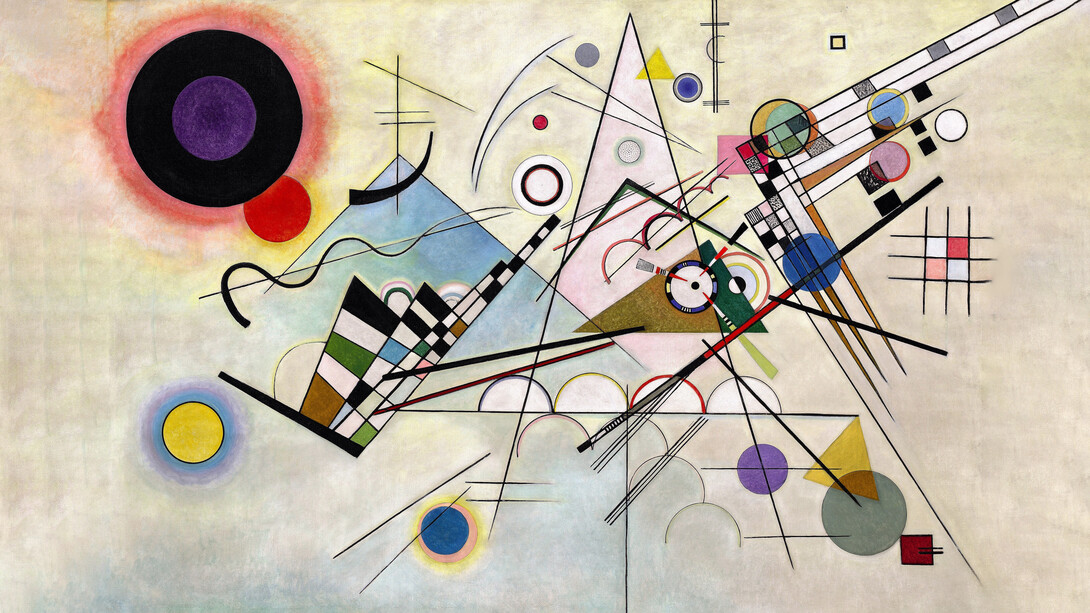
Music and Literature: Synesthesia in Imagery and Mood
The interaction between music and literature is one of the most compelling topics in the humanities of the 19th and 20th centuries. Music is capable of conveying emotions and states that are difficult to express in words, while literature, in turn, uses sound, rhythm, and imagery to evoke an emotional response comparable to musical perception.…
-
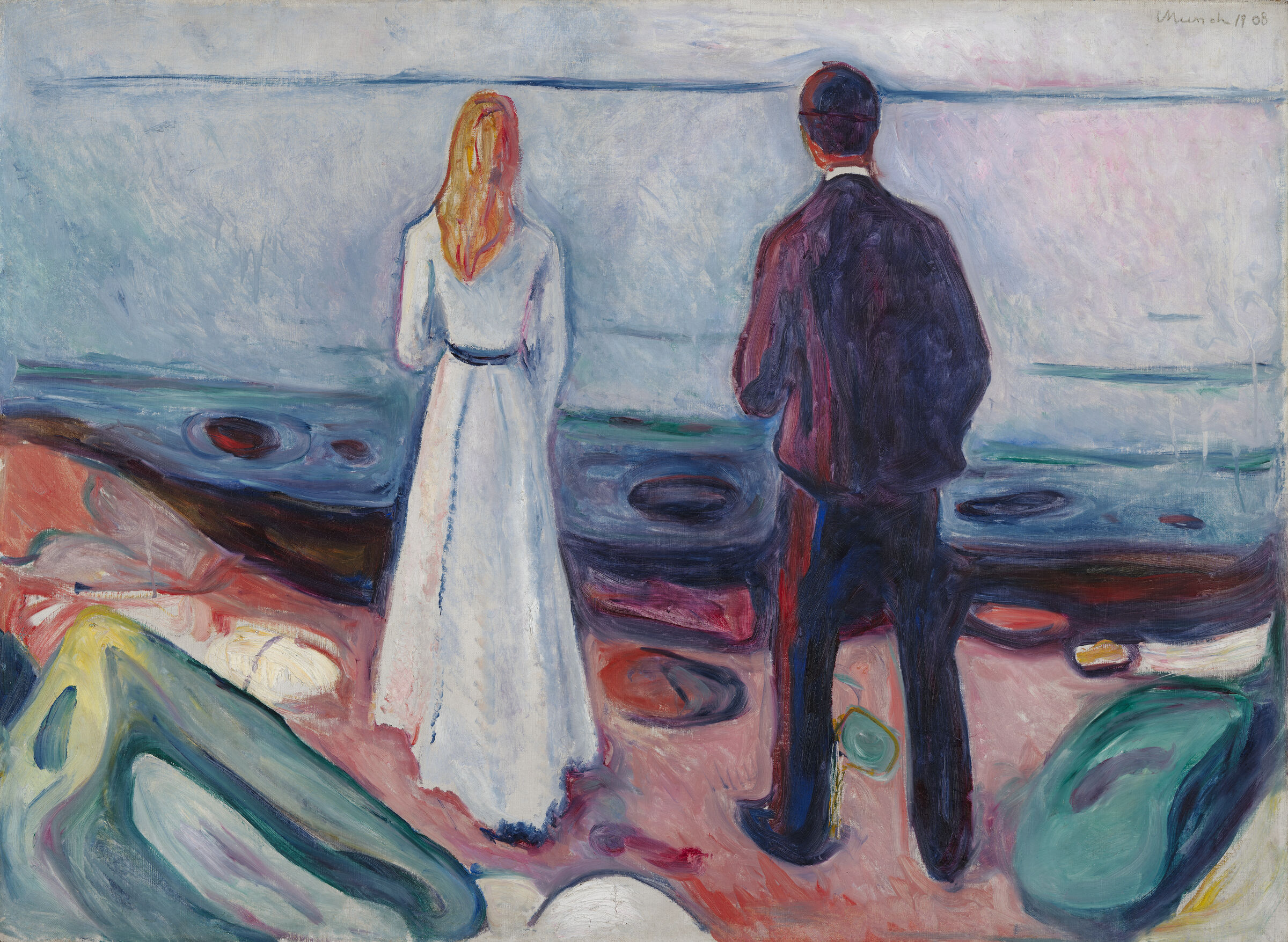
The Motif of Loneliness and the Search for Meaning in 20th-Century Literature
The 20th century was a period of radical changes in society, culture, and philosophy. Literature of this era reflected deep crises of human identity, moral uncertainty, and a sense of the loss of meaning amid modernization, wars, and totalitarian regimes. One of the key motifs appearing in works by various authors is loneliness, understood as…
-

Human Fate in Literature: Philosophical Meanings and Moral Choice
The question of human fate and freedom has always occupied thinkers, philosophers, and writers. Literature allows us to understand these complex issues more deeply, embodying philosophical ideas through the destinies of characters, their actions, inner experiences, and interactions with the surrounding world. Works by European and American authors, such as Oedipus Rex, The Trial, The…
-
Literature as Social Critique: Analysis on the Example of the Novel 1984
Literature has always been not only a reflection of human experiences but also a tool for analyzing society. Through artistic imagery, writers can reveal hidden social problems, warn of potential dangers, and stimulate critical thinking. Examining works such as 1984 allows us to understand how literature becomes a means of social critique, exposing the threats…
-
Mythological Motifs in Literature: The Influence of Myths on the Formation of Archetypes
Mythology forms the foundation of many cultural traditions and artistic expressions. Even in contemporary literature, where realism and individual authorial styles dominate, one can detect ancient structures, plots, and imagery rooted in myths. These elements provide depth and universality, making works meaningful and emotionally resonant for readers across different eras and cultures. Studying mythological motifs…
-
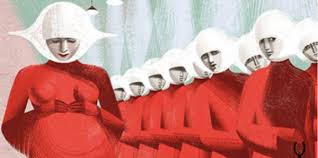
Literature as a Moral Inquiry: Ethics and Justice in The Handmaid’s Tale
Literature often functions not only as artistic storytelling but also as a space for moral reflection. Through plot, conflict, and character development, authors raise questions that resist simple answers. These questions concern justice, freedom, responsibility, and human dignity. The novel The Handmaid’s Tale is one of the most compelling examples of how a literary work…
-
Literature as a Mirror of Society: Social Issues in Novels
Literature has long fulfilled not only an aesthetic but also a social function. Through artistic images, writers reflect reality, capture the contradictions of their time, and raise issues that concern society. The novel as a genre is particularly sensitive to social change, as it allows for a detailed portrayal of people’s lives within historical and…
-
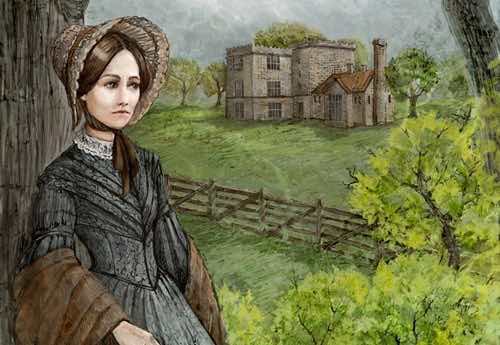
The Influence of an Author’s Biography on Characters: The Case of Jane Eyre
Literature is often perceived as a realm of fiction, yet behind every story stands a real author with personal experiences, struggles, beliefs, and observations. Characters are not merely elements of a plot; they frequently reflect the inner world of their creator. This is especially evident in works where personal experience is transformed into artistic form.…